The Sensitivity Paradox: Capacitive Touch Physics in Active Environments
Update on Jan. 15, 2026, 2:02 p.m.
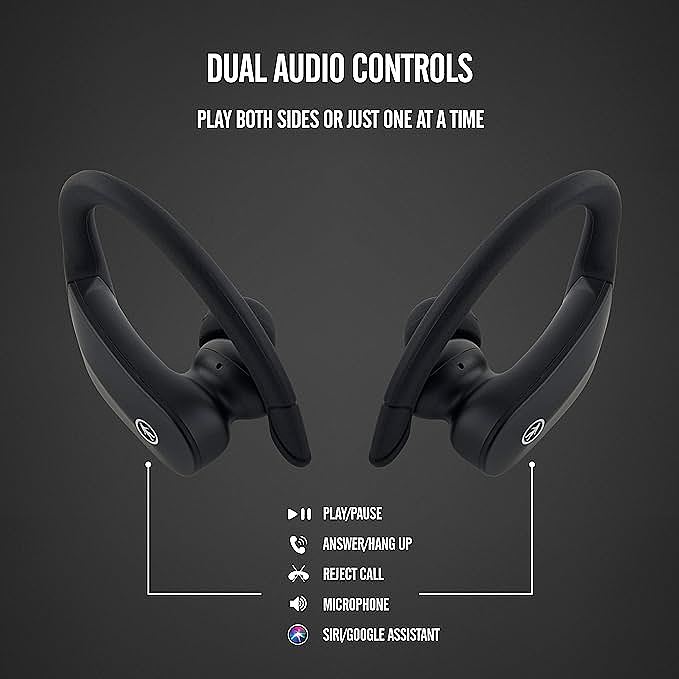
Modern electronics strive for sleekness. Buttons are replaced by smooth, touch-sensitive surfaces. But in the context of high-intensity sports, this sleekness can become a liability. Users of the Outdoor Tech Mantas 2.0 often report a “hair trigger” response—music pausing when brushing hair, or volume changing with a drop of sweat.
This is not a defect; it is the Physics of Capacitance. This article explores how touch controls work, why they struggle in active environments, and the role of the charging case in the outdoor ecosystem.
The Physics of Touch: Electricity and Water
Most touch controls use Capacitive Sensing. * The Field: The sensor projects an electrostatic field above the surface of the earbud. * The Conductor: Your finger is conductive. When it approaches, it alters the capacitance of the field, registering a “touch.”
The Sweat Problem
Water is also conductive. A bead of sweat rolling over the sensor creates a change in capacitance similar to a finger tap. This leads to Phantom Touches. * The Hair Problem: Damp hair, laden with electrolytes from sweat, can also trigger the sensor.
The Mantas 2.0’s high sensitivity is a double-edged sword. In a dry office, it feels responsive. On a rainy trail run, it can feel erratic. Understanding this physical limitation helps users manage expectations. It suggests that for rigorous activity, locking the phone or using voice commands might be more reliable than relying on the touch interface.
The Rugged Ecosystem: The Charging Case
While the touch controls are delicate, the Charging Case of the Mantas 2.0 is built for the outdoors. It is notably bulkier than typical urban earbud cases. * Volume vs. Protection: The extra bulk allows for a larger battery and thicker walls. In a hiking pack, a small, fragile case can be crushed. The Mantas case provides a Physical Buffer. * The Cradle: The case is designed to accommodate the large earhooks without bending them. This preserves the Elastic Memory of the hooks, ensuring they retain their shape and clamping force over years of use.
Passive Isolation: Focus vs. Safety
The Mantas 2.0 uses silicone tips to create a seal. This provides Passive Noise Isolation.
In a gym, this is perfect—it blocks out the clanking weights. On a trail, it requires caution. The seal blocks situational cues. Unlike bone conduction, the Mantas 2.0 demands that the user be visually vigilant, as their auditory radar is dampened.
Conclusion: Managing the Interface
The Outdoor Tech Mantas 2.0 is a robust piece of hardware with a sensitive interface. It excels in physical stability (thanks to the hooks) but requires user adaptation for its digital controls.
By understanding the physics of capacitive touch, users can mitigate frustration—wiping sweat, tying back hair—and focus on what the device does best: delivering a soundtrack to the adventure, securely attached to the listener.