The Frictionless Desk: Wireless Power, Multipoint Connectivity, and the Logitech Zone Wireless
Update on Jan. 15, 2026, 2:01 p.m.
The greatest barrier to using any tool is friction. The friction of plugging in a cable. The friction of pairing a device. The friction of switching between a phone call and a Zoom meeting. In a high-speed workflow, these micro-delays accumulate, breaking our rhythm.
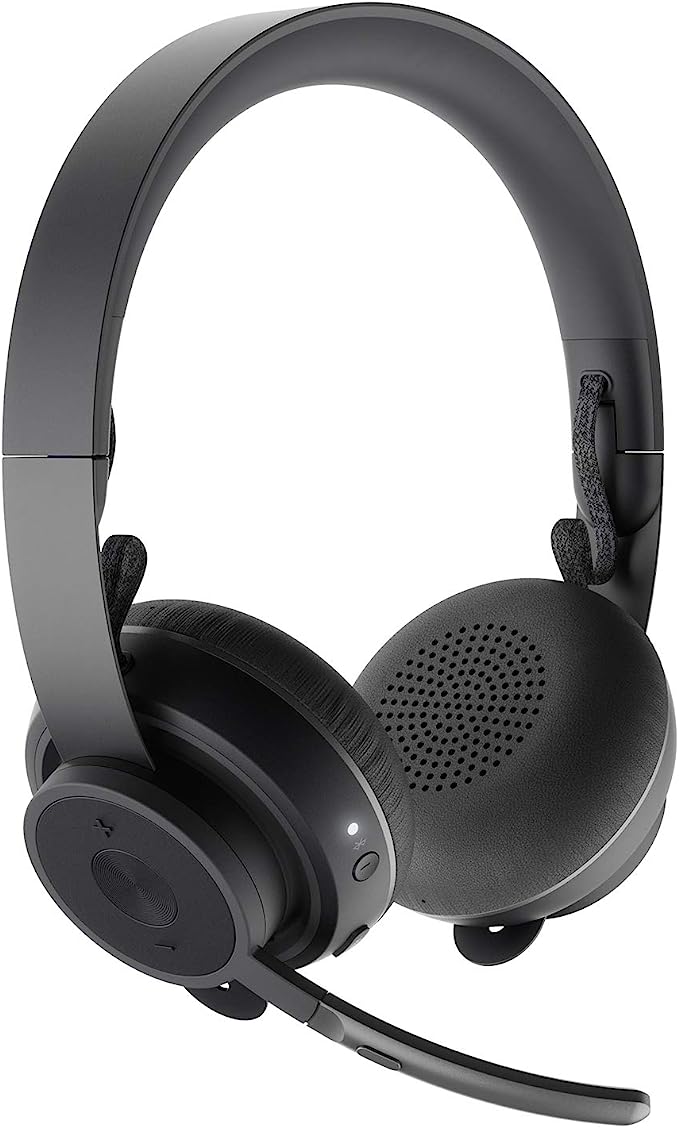
The Logitech Zone Wireless is designed around the philosophy of the Frictionless Desk. By integrating Qi Wireless Charging and robust Bluetooth Multipoint, it aims to remove the physical and digital barriers between the user and their work.
This article explores the electromagnetics of inductive charging, the protocols of multi-device connectivity, and how “Software-Defined Hardware” extends the life of our tools.
The Physics of Drop-and-Go: Qi Wireless Charging
The Zone Wireless is one of the few headsets to support native Qi charging. This is powered by Electromagnetic Induction. * The Transmitter: A coil in the charging pad creates an oscillating magnetic field. * The Receiver: A coil in the headset earcup intercepts this field, inducing an electrical current that charges the battery.
Behavior Modification
This feature is not just about eliminating cables; it’s about modifying behavior. Because charging requires zero effort—just placing the headset on the pad when you grab a coffee—users are more likely to keep the device topped up. This Micro-Charging habit eliminates the “dead battery anxiety” that plagues battery-powered gear. It integrates the headset into the geography of the desk, giving it a dedicated “home.”

Bluetooth Multipoint: The Digital Juggle
Modern work happens on multiple screens. We take calls on our phones and join meetings on our laptops. Switching headphones between them used to be a pairing nightmare.
Bluetooth Multipoint solves this. It allows the Zone Wireless to maintain two active Bluetooth connections simultaneously. * The Protocol: The headset negotiates a standby link with both devices. It monitors the audio streams. * Priority Logic: If you are listening to music on your laptop and a call comes in on your phone, the headset detects the HFP (Hands-Free Profile) interrupt request. It automatically pauses the music (A2DP profile) and switches audio priority to the phone.
This seamless handover removes the friction of “Can you hear me? Hang on, let me switch audio settings.” It makes the headset a bridge between your devices, rather than a peripheral attached to just one.
Software-Defined Hardware: Logi Tune
Hardware is static; software is fluid. The Zone Wireless is a piece of Software-Defined Hardware. Through the Logi Tune app, the physical properties of the device can be altered. * Sidetone Adjustment: Changing how much of your voice you hear. * EQ Profiles: Tuning the sound for speech clarity vs. music immersion. * Firmware Updates: Adding new features or refining ANC algorithms post-purchase.
This ecosystem approach ensures that the headset evolves. It aligns with the IT management needs of large enterprises (via Logitech Sync), where a fleet of headsets can be managed remotely, ensuring compliance and performance across a distributed workforce.
Conclusion: The Invisible Infrastructure
The Logitech Zone Wireless succeeds not by being the loudest or the most noise-canceling headphone, but by being the most invisible. * Wireless Charging makes power management invisible. * Multipoint makes device switching invisible. * ANC makes background noise invisible.
It builds an infrastructure of silence and connectivity around the user, removing the friction of technology so that the only thing remaining is the work itself.