The Autonomous Athlete: Local Storage, Rhythm, and the Psychology of the Swim
Update on Jan. 15, 2026, 1:12 p.m.
Swimming is perhaps the most solitary of sports. Face down in the water, visual input is limited to the black line on the bottom of the pool. Auditory input is the rush of water. This Sensory Deprivation can be meditative, but it can also be monotonous. For the endurance swimmer, the mind is often the first thing to fatigue.
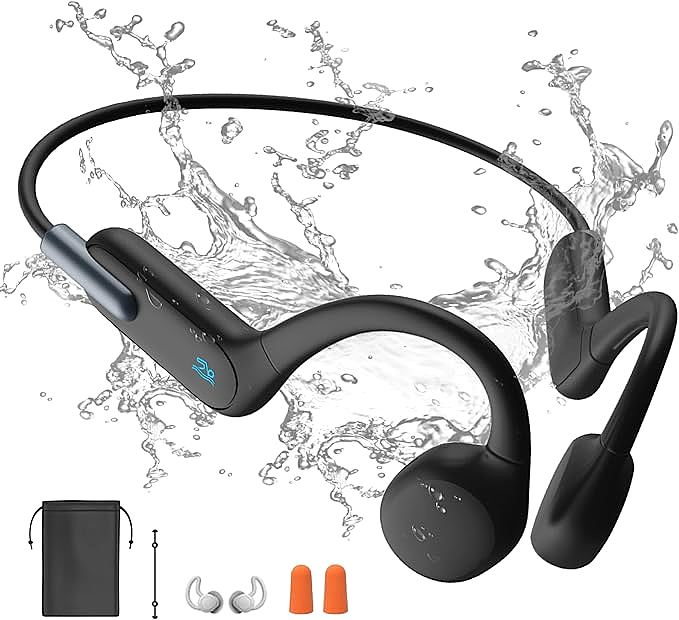
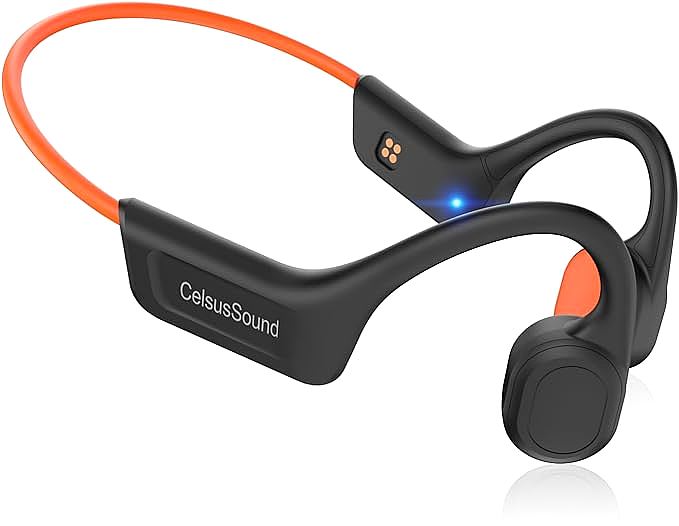
The Dnniakm X6 Bone Conduction Headphones intervene in this psychological space. By providing audio in a sensory-deprived environment, they change the nature of the workout. But their significance goes beyond entertainment. With 32GB of Local Storage, they enable a form of Autonomous Training that is free from the distractions of the smartphone.
This article explores the psychology of swimming with audio, the utility of Tempo Training via music beats (BPM), and the disciplined maintenance required for aquatic gear.
The Rhythm of the Stroke: Music as a Metronome
Runners have long used music to regulate cadence. Swimmers can do the same. This is Tempo Training. * BPM matching: A swimmer aiming for a specific stroke rate can load songs with a matching Beats Per Minute (BPM) onto the X6’s memory. * Auditory Pacing: The music acts as a relentless metronome. It enforces consistency, preventing the swimmer from slackening their pace during long sets.
Because the X6 operates in MP3 Mode underwater, the playback is uninterrupted by notifications, calls, or connection drops. This isolation creates a Flow State. The swimmer is locked into the rhythm, synchronized with the music, turning a grueling 2000-meter session into a rhythmic dance.
The Digital Detox: Freedom from the Phone
In our hyper-connected lives, the pool was one of the last refuges from the smartphone. The X6 preserves this sanctuary while adding audio. * No Tether: You don’t need your phone on the pool deck. You don’t need to worry about Bluetooth range (typically only 10m). * The “Shuffle” Experience: With 32GB of storage (enough for thousands of songs), the X6 functions like an old-school iPod Shuffle. This lack of a screen and interface forces a simpler interaction: Play, Pause, Next. It reduces Decision Fatigue. You press play and you swim.
This autonomy is a key feature of the Everyday Carry (EDC) philosophy applied to sports. The device is self-contained. It works regardless of Wi-Fi, cell signal, or phone battery status.

Hygiene and Chemistry: The Battle Against Corrosion
Owning swimming headphones requires a shift in mindset regarding maintenance. Pool water contains chlorine; the ocean contains salt. Both are corrosive to metals.
Even with the X6’s IP68 rating and magnetic charging contacts, neglect leads to failure.
The Rinse Ritual
After every swim, the device must be rinsed with fresh water. If salt water dries on the charging contacts, it forms crystals that are non-conductive, preventing charging. If chlorine is left, it can degrade the rubber seals over time.
The Magnetic Charging system makes cleaning easier—there are no ports to flush out—but the contacts must be kept clean. This maintenance ritual is part of the discipline of the sport, treating the headphones not as a disposable accessory but as precision gear.
Conclusion: The Soundtrack of Solitude
The Dnniakm X6 is more than a waterproof speaker; it is a companion for the solitude of the swim. It breaks the monotony without breaking the isolation. By relying on local storage, it respects the physics of water and the psychology of the athlete, offering a reliable, autonomous source of motivation in an environment where nothing else works.
It allows the swimmer to bring their world into the water, transforming the silent laps into a personal, rhythmic journey.