Signal in the Noise: Beamforming Mics and the Mechanics of Stability
Update on Dec. 31, 2025, 2:41 p.m.
In the context of sports and outdoor activities, audio devices face two primary physical challenges: separating the user’s voice from the chaos of the environment, and keeping the device securely attached to a moving body. These are problems of signal processing and structural engineering.
The PALOVUE SportSound addresses these challenges through a combination of a 4-microphone array utilizing CVC 8.0 technology and a purpose-built ear-hook chassis. Understanding these technologies reveals how modern wearables maintain communication lines and physical stability in extreme conditions.
The Mathematics of Clarity: CVC 8.0 and Beamforming
“Noise Cancellation” is a broad term. For calls, the industry standard is CVC (Clear Voice Capture), currently in its 8.0 iteration. Unlike Active Noise Cancellation (ANC), which quiets the world for the listener, CVC quiets the world for the caller.
The SportSound employs a 4-microphone system (two per earbud). This hardware setup is the foundation for beamforming.
1. Time Difference of Arrival (TDOA): The microphones are spaced a specific distance apart. Sound waves from the user’s mouth arrive at the front mic slightly earlier than the rear mic. Sounds from the environment (wind, traffic) arrive at different times or simultaneously.
2. Spatial Filtering: The CVC 8.0 algorithm uses this timing data to create a virtual “beam” focused on the user’s mouth. It suppresses any audio signal that originates from outside this beam.
3. Spectral Subtraction: The system identifies the frequency profile of steady-state noises (like wind) and digitally subtracts them from the transmission.
This complex processing happens in milliseconds, ensuring that even when cycling against the wind, the voice transmitted is intelligible and clear.
The Physics of the Anchor: Ear-Hook Ergonomics
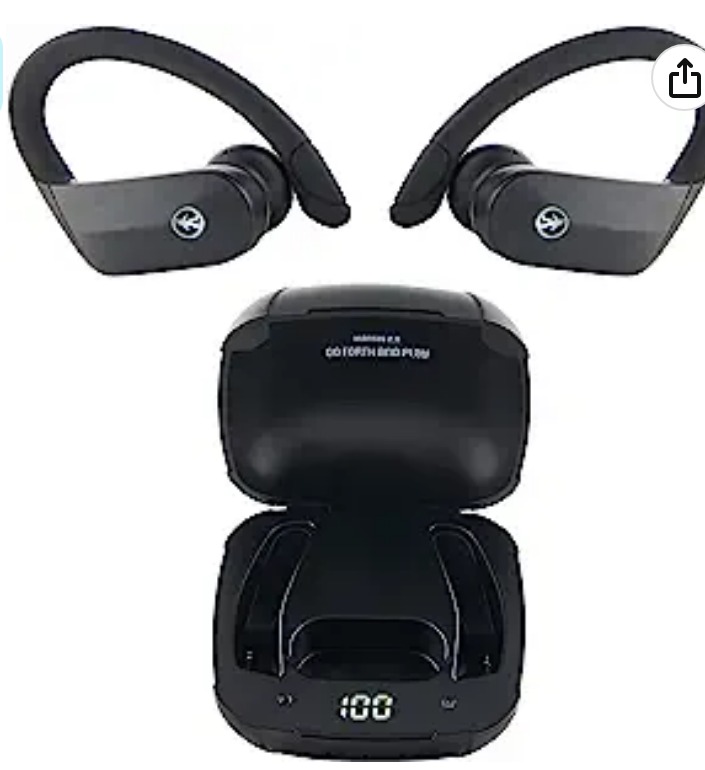
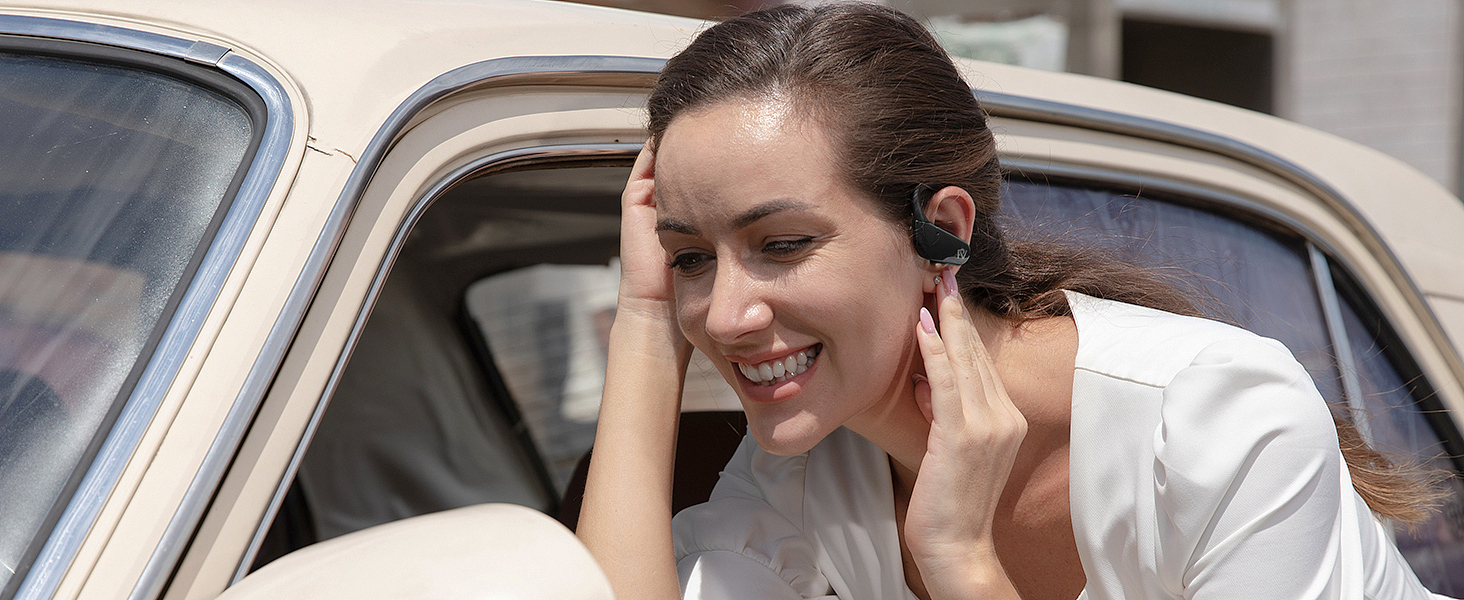
While algorithms handle the sound, physics handles the fit. The “True Wireless” form factor often suffers from stability issues during high-impact activities. The ear canal creates friction, but sweat acts as a lubricant, inevitably leading to slippage.
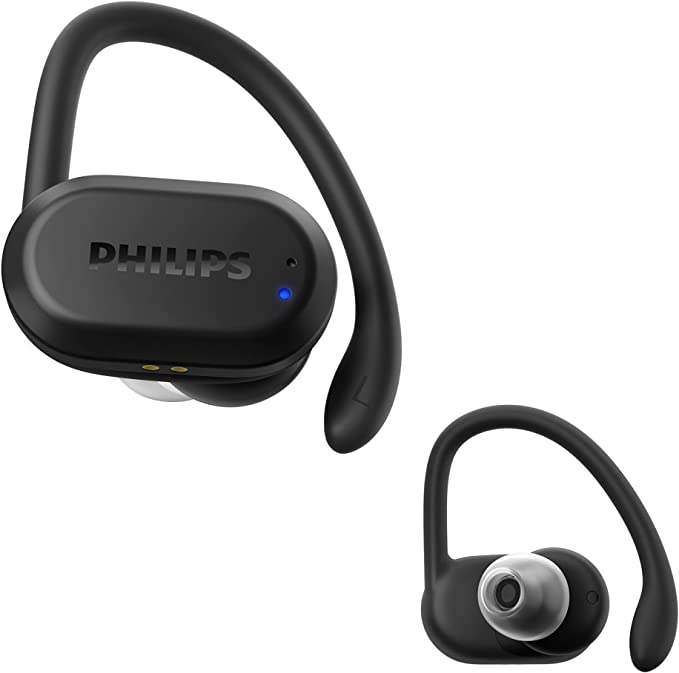
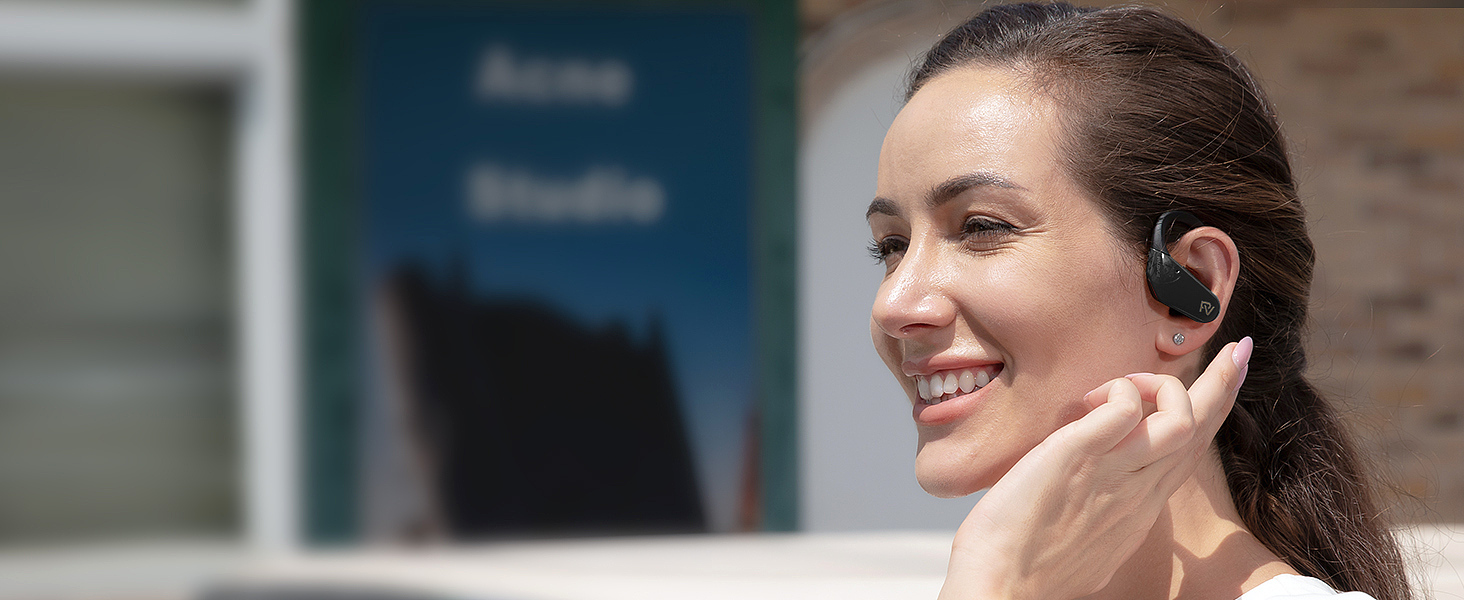
The ear-hook design introduces a cantilevered support system. By wrapping around the helix of the ear, the hook transfers the gravitational and inertial forces away from the ear canal. * Load Distribution: The weight of the device is supported by the ear’s cartilage structure, not the sensitive canal skin. * Mechanical Lock: The hook creates a physical barrier against rotation. No matter how violently the head moves, the device cannot rotate out of the ear.
This design allows for a “floating fit,” where the eartip seals the canal for audio performance without needing to be jammed in for retention. This reduces ear fatigue and allows for extended wear during marathons or long training sessions.
Powering the Algorithm: Energy Efficiency
Running sophisticated beamforming algorithms and high-definition codecs requires energy. The SportSound balances this with a battery system optimized for endurance. The combination of the low-power QCC3040 chip and high-density Lithium-ion cells provides 24 hours of total playtime. This endurance ensures that the complex signal processing does not come at the cost of usability, allowing the technology to remain invisible and reliable throughout the longest workouts.
Conclusion: The Convergence of Software and Structure
The modern sports headphone is a hybrid marvel. It marries the intangible mathematics of wave processing with the tangible reality of biomechanics. Devices like the PALOVUE SportSound demonstrate that superior performance is not just about a single chip or a specific shape, but the seamless integration of computational power and structural intelligence.