Materials Science in the Kitchen: The Genius of Bi-Layer Cookware
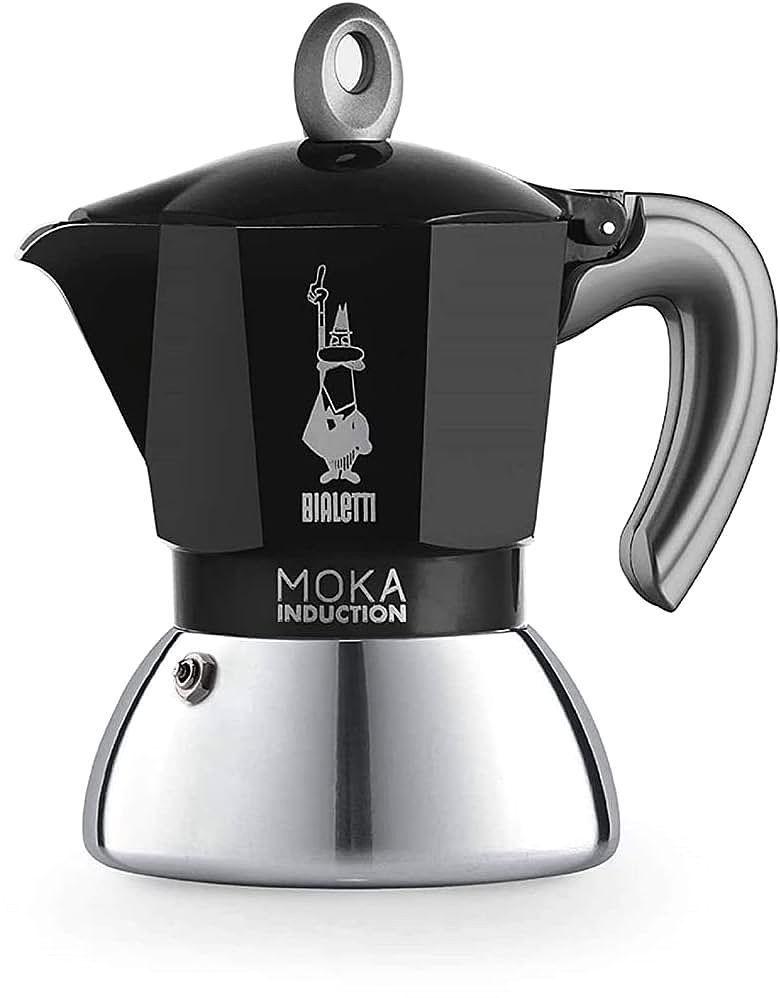
Bialetti Moka Induction Moka Pot
It’s a scene of quiet domestic frustration. The new induction stovetop, a sleek slab of black glass, promises a future of speed and precision. The old, cherished aluminum Moka pot, a veteran of countless morning rituals, is placed upon it. A button is pressed, a display glows, but nothing happens. No heat, no familiar gurgle, no coffee. This isn't a malfunction; it's a direct encounter with a fundamental law of physics. This simple, frustrating incompatibility opens a door into the fascinating world of materials science, revealing how the hidden properties of the metals we use every day dictate the very mechanics of how we cook.

To understand why the beloved aluminum pot remains cold, we must first grasp the "invisible fire" of induction. Unlike gas or electric coil stoves that rely on thermal conduction from an open flame or a searing-hot surface, an induction cooktop generates heat directly inside the cookware itself. Beneath the glass-ceramic surface, a powerful copper coil generates a high-frequency alternating magnetic field. When a pot made of a ferromagnetic material—a category that includes iron and certain stainless steels—is placed in this field, the field induces powerful, swirling electrical currents within the pot's base. These are known as "eddy currents." Due to the metal's inherent electrical resistance (R), these currents generate immense heat through a process called Joule heating, where power (P) is proportional to the square of the current (I) and the resistance (P ∝ I²R). It's a clean, astonishingly efficient transfer of energy. But the entire process hinges on that initial magnetic handshake. Your non-magnetic aluminum pot, deaf to the cooktop's magnetic call, simply never lets the dance begin.
So, if induction demands a magnetic material like steel, why do so many high-end pots and pans still celebrate the virtues of aluminum? The answer lies in a fascinating trade-off between invisible forces and the intrinsic properties of the metals. Let's pit the two titans of the kitchen against each other.
Aluminum is the kitchen's sprinter. Its defining characteristic is a phenomenal thermal conductivity. With a value of approximately 237 W/m·K (watts per meter-Kelvin), it transfers heat with incredible speed and evenness. This quality is paramount for preventing "hot spots," localized areas of intense heat that can scorch food in one area while leaving another undercooked. It is, however, non-magnetic, relatively soft, and can react with acidic foods.
Stainless steel, on the other hand, is the indefatigable marathon runner. It's tough, durable, and exceptionally resistant to corrosion and chemical reactions. But its thermal performance is a different story. A typical magnetic grade used in cookware, such as 430 stainless steel, has a thermal conductivity of only about 26 W/m·K—a staggering nine times less efficient at transferring heat than aluminum. This sluggishness can lead to uneven cooking if the pan is not engineered to compensate.
For decades, this created a dilemma: choose the swift, uniform heating of aluminum, or the induction-ready durability of steel. Cooks had to pick a side. But what if engineering could build a bridge between these two worlds? Enter the concept of bi-layer construction, a prime example of which is found in the modern induction-compatible Moka pot, such as Bialetti's Moka Induction model.
This design presents a brilliant and elegant engineering solution. The base of the pot is a composite, layered structure. The outer layer, which makes physical contact with the stovetop, is made of magnetic stainless steel. This layer performs the crucial magnetic handshake, allowing eddy currents to form and generate heat. Instantly, this heat is conducted to the layer bonded directly above it: an inner layer of aluminum. The aluminum's high thermal conductivity then takes over, rapidly and uniformly distributing the heat across the entire base of the water chamber. It's a perfect partnership: steel initiates the energy transfer, and aluminum perfects its distribution. This bonding process itself is a manufacturing feat, having to account for how the two different metals expand and contract at different rates when heated to ensure a durable, long-lasting bond.
This understanding elevates us from frustrated consumers to informed buyers. When selecting cookware for an induction stovetop, we are no longer just looking at style or brand; we are evaluating applied physics.
The Smart Buyer's Physics Checklist for Induction Cookware
- The Magnet Test: The simplest and most definitive test. If a common refrigerator magnet sticks firmly to the base of the pot or pan, it is ferromagnetic and will work on an induction cooktop.
- Look for the Symbol: Reputable manufacturers include the universal induction symbol (a horizontal coil of wire) on the packaging or stamped directly onto the base of the cookware.
- Evaluate the Base Construction: For non-stick or stainless steel pans, look for a thick, heavy base. This often indicates a "sandwich" base, where a highly conductive layer of aluminum (or sometimes copper) is encapsulated between layers of stainless steel. This construction, a cousin to the bi-layer Moka pot, is the gold standard for high-performance induction cookware as it combines durability, non-reactivity, and superb heating performance.
- Consider the Material Type: While solid cast iron and carbon steel are naturally magnetic and work wonderfully, cladded cookware (where multiple layers of different metals are bonded together to form the entire body of the pan, not just the base) often provides the ultimate balance of heating performance, durability, and ease of use.
The story of the Moka pot that wouldn't heat is more than a simple inconvenience. It's a gateway to understanding materials science, a demonstration of elegant engineering, and a reminder that within the most familiar of objects lies a world of hidden science. The next time you brew your morning coffee or sear a steak, you'll have a deeper appreciation for the fact that it's not just cooking—it's a masterful dance of atoms, magnetic fields, and electrical currents.
Bialetti Moka Induction Moka Pot
Related Essays

GASLAND GH30SFA: Elevate Your Outdoor Cooking Experience

CHANGE MOORE Outdoor Sauna Hot Tent Stove: Embrace the Warmth of Nature, Anywhere

POMOLY Oroqen Max 3 Wood Stove: Revolutionizing Winter Warmth & Outdoor Cooking

OneTigris WHALE SONG Titanium Tent Stove: Embrace the Warmth of the Wild

QINGDONGDZA Gas Camping Stove Sink Combo: Your Mobile Kitchen for Outdoor Adventures

KGJAQT JATDHY-003 Portable Outdoor Gas Stove: Your Pocket Rocket for Culinary Adventures

Winnerwell Fastfold Titanium Tent Stove: Your Ultralight Companion for Winter Adventures

The Unseen Physics of a Campfire in a Box: How Your Stove Works

DEERFAMY 01SL Tent Stove: Stay Warm and Cozy on Your Next Adventure
